One Act or Several Short Plays for a Community Evening?
Choose one act or several short plays for a community evening by matching the format to your cast, audience, venue and preferred pace.
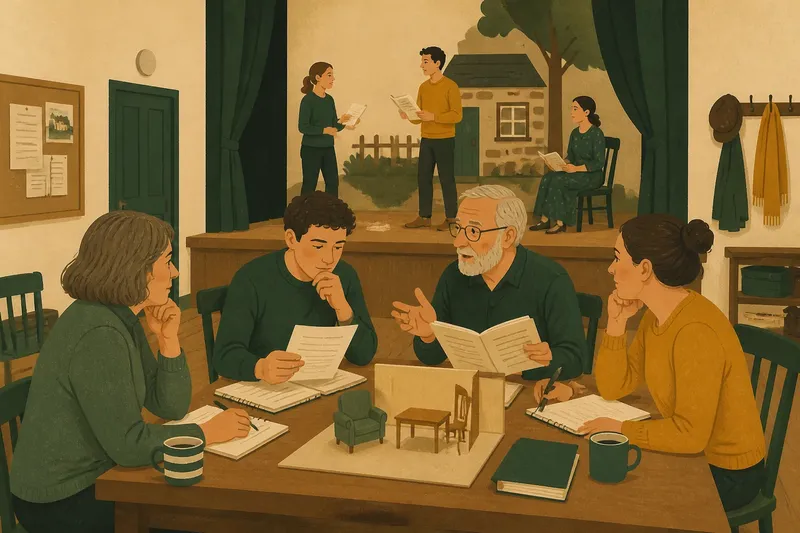
Choosing one act or several short plays for a community evening starts with a practical question: what should the audience feel as they leave the village hall? A single play can draw everyone into one unfolding story; a collection can offer changes of mood, cast and style. The right format depends on the sort of shared evening you want, and on the people and space available to make it happen.
What kind of evening do you want to shape?
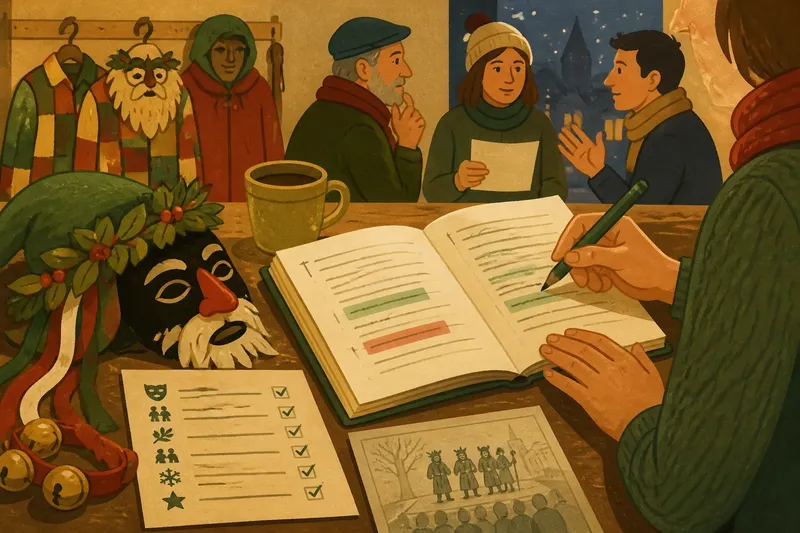
Before looking for scripts, describe the evening in a sentence. It might be “a close, absorbing story that holds attention from start to finish” or “a lively gathering with several different voices and comic turns”. This simple distinction helps you avoid choosing a format just because it sounds easier.
A one-act play has one central dramatic journey. It usually follows a connected group of characters through a developing situation, with a beginning, a change and an ending. A programme of short plays places separate pieces side by side. They may share a theme, setting or tone, but each has its own small arc.
Think about the audience’s evening, too. Some people enjoy settling into a continuous story. Others welcome a pause between pieces, a shift in mood or the chance to see many local performers. Neither preference is universal, so consider who is likely to come and what kind of occasion you are inviting them to share.
How do the formats differ in rhythm?
A single short play builds momentum through continuity. The audience learns the characters and circumstances once, then watches the situation change. That can make the performance feel intimate and focused, especially in a modest room where faces and reactions are easy to see.
Several brief plays create a rhythm of arrival, departure and reset. A brisk comedy can be followed by a quieter piece; a scene with a large group can give way to a duet. The variety can keep the evening buoyant, but each transition needs to feel deliberate rather than like a pause while the next performance is assembled.
There is also a difference in how attention is renewed. In a one-act, the writing and acting must sustain interest through one continuous thread. In a mixed programme, each new piece gets a fresh start, but the audience must repeatedly adjust to new characters and circumstances. Consider which kind of energy your performers can support.
What can your cast and rehearsal time support?
Make a realistic list of available performers, including who can attend rehearsals consistently and whether anyone is comfortable taking on more than one role. A one-act may ask a smaller group to carry a sustained story. A set of short plays can spread opportunities across more people, though doubling roles may require quick costume changes and clear backstage organisation.
Read complete scripts before making a decision. Check the number of speaking roles, scene changes, entrances, exits and any demands on sound or costume. A script with a large cast may still be difficult to stage if performers appear in several pieces and need time to change. A short runtime on the page does not automatically mean a simple rehearsal process.
Imagine a village group has a reliable core of six performers and several others who can attend only some rehearsals. If the aim is a connected, close-knit evening, the group might look for a one-act with a small cast and roles that do not depend on absent performers. If the aim is to include more participants, it could compare short plays with separate casts and schedule each piece around the people available. The observable result to look for is a rehearsal plan that can be followed without repeatedly rebuilding scenes around missing cast members.
Which format suits the room and the changes between pieces?
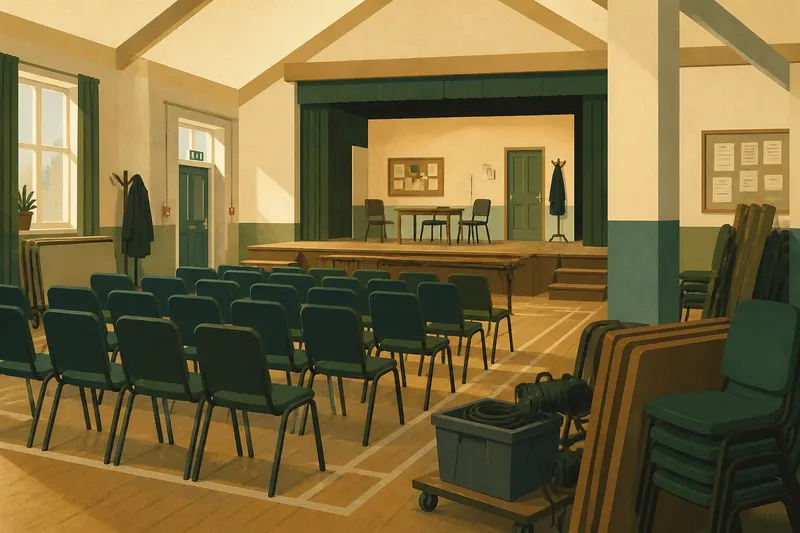
Look at the actual playing space rather than imagining a theatre with hidden wings. Note where performers enter, where props can be placed, how much room remains for seats and whether the audience can see the action from the sides. A one-act set in a single location may use a stable arrangement. A programme of short plays may need furniture and props to move between scenes.
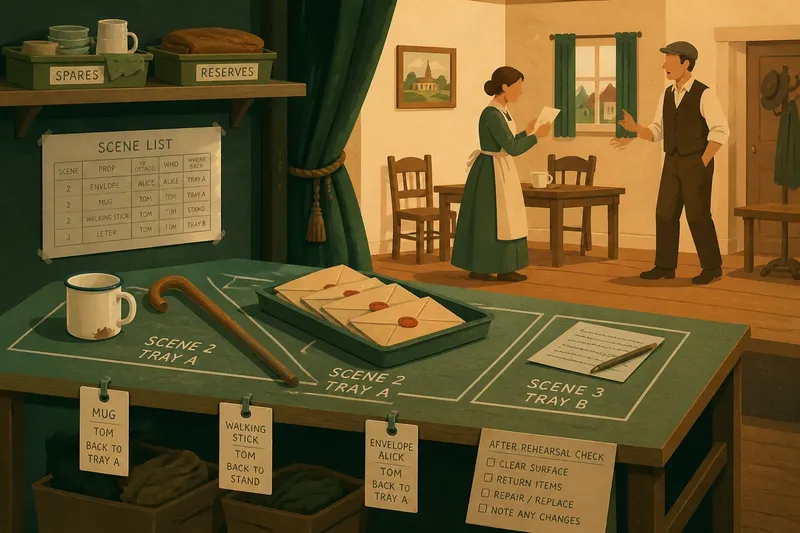
Keep transitions simple. A chair, a table and a change in lighting can suggest a new setting without a full rebuild. If the venue has limited storage or no separate backstage area, choose pieces that can be reset quietly and safely. For any equipment or venue restrictions, follow the relevant manufacturer instructions and local rules.
Do not spend rehearsal time pursuing elaborate scene changes that contribute little to the audience’s understanding. A clear pause, a change of performer or a small shift in the playing space can be more effective than a complicated transformation. What matters is that the next piece begins with the audience ready to watch.
How should the pieces fit together?
For one act, check that the dramatic journey stays legible. Ask what changes for the characters and whether each scene moves the situation forward. If the action feels thin, adding decorative business may not solve the problem; a different script may be a better choice.
For a programme of short plays, look for a thread that gives the evening a sense of shape. The pieces might share a village setting, a theme such as neighbourliness, or a contrast in tone. They need not tell one continuous story, but the order should feel considered. Opening with a piece that quickly establishes the room’s mood can help; placing a quieter work after a noisy comedy may give the audience a welcome change of pace.
Read the pieces aloud in the proposed order. Listen for repeated setups, similar endings or a run of scenes with the same tempo. Consider whether a short interval would help the audience and performers, or break the evening’s momentum. The sequence should feel like a complete occasion, not a stack of unrelated selections.
How can you decide between one act and short plays?
Is one act easier to rehearse?
Not necessarily. A one-act keeps the same story and often the same setting, but its performers must sustain connected character work. The script’s cast size, scene structure and rehearsal demands matter more than its format alone.
Do short plays need a shared theme?
They do not have to, but a link can make the programme feel intentional. A common place, subject or shift in mood can connect separate stories without forcing them into one plot.
Can the programme include both comedy and serious work?
Yes, if the changes in tone are placed thoughtfully. Read the pieces in sequence and consider whether the audience has room to settle after a comic scene before meeting a more serious one.
What should organisers check before choosing a script?
Check the cast, rehearsal availability, permissions, setting, props, transitions and any technical requirements. If a detail depends on the script’s licence, the venue or a supplier’s instructions, confirm it before committing.
What should you settle before announcing the evening?
Once the format looks workable, confirm the script rights, cast commitments, rehearsal schedule and venue arrangements. For a collection, agree the running order and who will coordinate transitions. For a one-act, make sure the cast can attend the rehearsals needed to develop a continuous performance. A clear plan gives volunteers a shared starting point.
Then describe the event honestly. If it is a single story, tell people they will see one complete play. If it is a varied programme, mention that the evening contains several short pieces. That small distinction helps a community audience know what sort of occasion to expect.
When choosing one act or several short plays for a community evening, decide first on the feeling you want to create, then check whether your cast, script and hall can support it. A focused story suits an evening built around continuity; a carefully ordered set of pieces suits one built around variety. Choose the format that lets the performers meet the audience with confidence, and let that practical fit guide the final selection.